
Saving Lives by Starting in the Lab
Inside UCT's CryptoLab, a team of African-led scientists is untangling the biology of one of the world's deadliest neglected diseases — and redefining who gets to do the research.
The WhatsApp message arrives without warning. A neurosurgeon at a local Cape Town hospital is scrubbing in for brain surgery — and the CryptoLab needs to know. Dr. Amalia Awala, a postdoctoral research fellow at the University of Cape Town, drops what she's doing. She and her colleagues rush to the hospital, scrub into the operating theater, and collect samples of living human brain tissue.
Back at the lab, those samples are divided carefully among researchers, each using a different technique to interrogate the same question: How does a fungus — one found in ordinary soil and bird droppings — manage to invade and kill the human brain?
The disease is cryptococcal meningitis. Each year, it kills more than 200,000 people — the vast majority of them in sub-Saharan Africa, where high rates of HIV leave immune systems too weakened to fight off opportunistic infections. Despite its toll, it receives a fraction of the funding directed at other infectious diseases. It has no major awareness campaign. In many of the settings where it strikes hardest, the most commonly available treatment still carries a 70% mortality rate.
200,000+
deaths per year from cryptococcal meningitis
73%
of global cases occur in sub-Saharan Africa
only 1.5%
of infectious disease research funding goes to fungal diseases
At UCT, Dr. Rachael Dangarembizi's CryptoLab is trying to change that — starting with the biology. "We are losing 200,000 people — going by reported cases alone — every year as a region," she says. "This is the workforce that's supposed to be driving the development of Africa."
"We, the survivors, are now here to fight back."
— Dr. Rachael Dangarembizi, Principal Investigator, CryptoLab, UCT
A Lab Built From the Ground Up
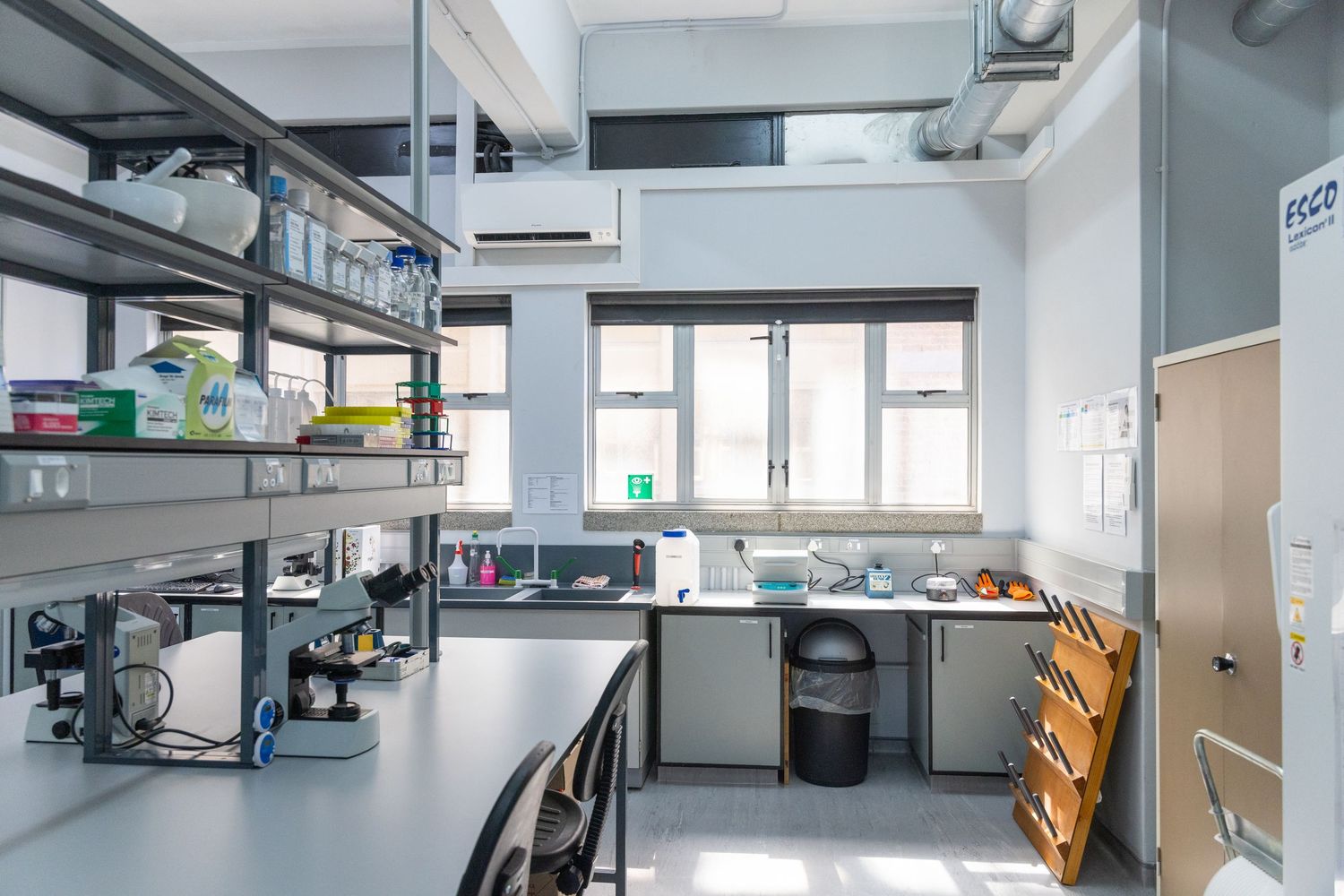
Dr. Dangarembizi established the CryptoLab with a start-up commitment of just USD $5,000 from UCT — enough to collect preliminary data and prove her concept. In less than two years, that seed investment helped her secure more than USD $1 million in research funding. In 2023, she received the UKRI African Research Leaders Award, enabling the lab to grow to a 12-member team and establish a state-of-the-art Biosafety Level 2 facility.
The team is composed predominantly of women from across southern Africa, with researchers from diverse professional, cultural, and socioeconomic backgrounds. They meet weekly to share updates and push back on each other's work. Lab members describe the environment Dr. Dangarembizi has built as unusually collaborative — one where everyone is encouraged to contribute beyond their own narrow project.
"We have people from all different parts of South Africa, socioeconomic backgrounds, skin colors, cultures, religions," says Dr. Anja de Lange, a postdoctoral researcher in the lab. "It is always really interesting to see how people's minds work differently based on where they are coming from."
That diversity is not incidental to the science — it's central to it. The lab's research addresses a disease that has long been studied at arm's length, with African countries supplying samples while analysis happens elsewhere. Dr. Awala is direct about what the CryptoLab represents: "We are producing cutting-edge research because we have the skills, and we have the talent. We really challenge the status quo."
The Science of Survival
The CryptoLab's research focuses on fundamental questions: how does Cryptococcus neoformans evade the immune system? How does it cross into the brain? Why do some patients respond to treatment while others don't?
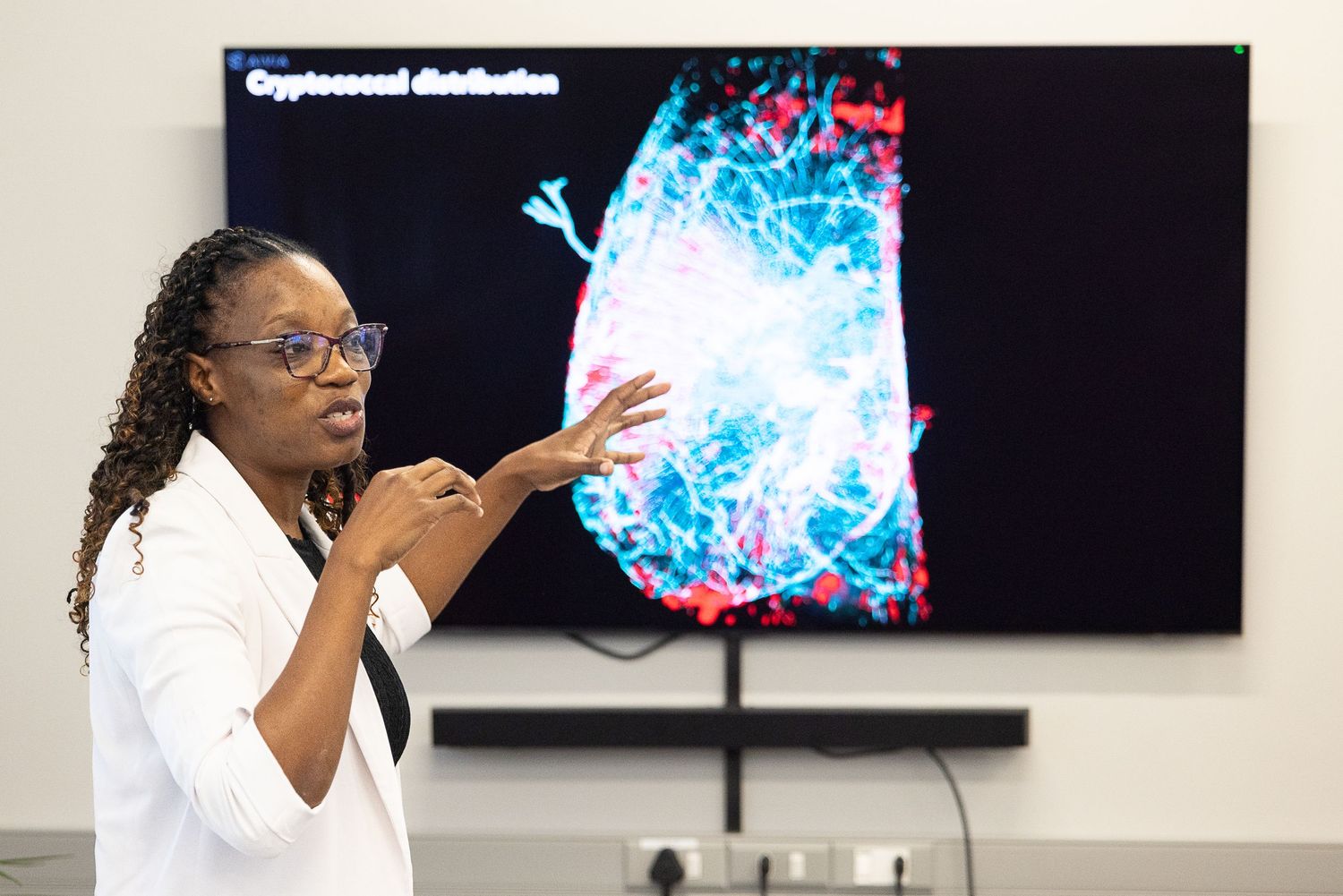
To answer them, the lab uses methods that didn't exist a generation ago. Dr. Awala studies microglia — the immune cells of the brain — by isolating them from tissue and exposing them directly to the fungus, observing in real time whether they expel it, destroy it, or allow it to replicate. Other researchers work with human brain organotypic slice cultures (HOCs): living samples of brain tissue kept viable in the lab, exposed to the pathogen, and imaged using advanced microscopes that track infection as it spreads at a cellular level. Single-nucleus RNA sequencing lets the team examine how individual brain cells respond genetically to the infection — identifying why some may be more vulnerable than others.
These techniques, combined with the lab's clinical partnerships, allow the CryptoLab to connect laboratory findings directly to patient outcomes. The lab works closely with local hospitals, including the Red Cross War Memorial Children's Hospital and MediClinic Constantiaberg, ensuring that its research questions remain grounded in what clinicians are actually seeing.
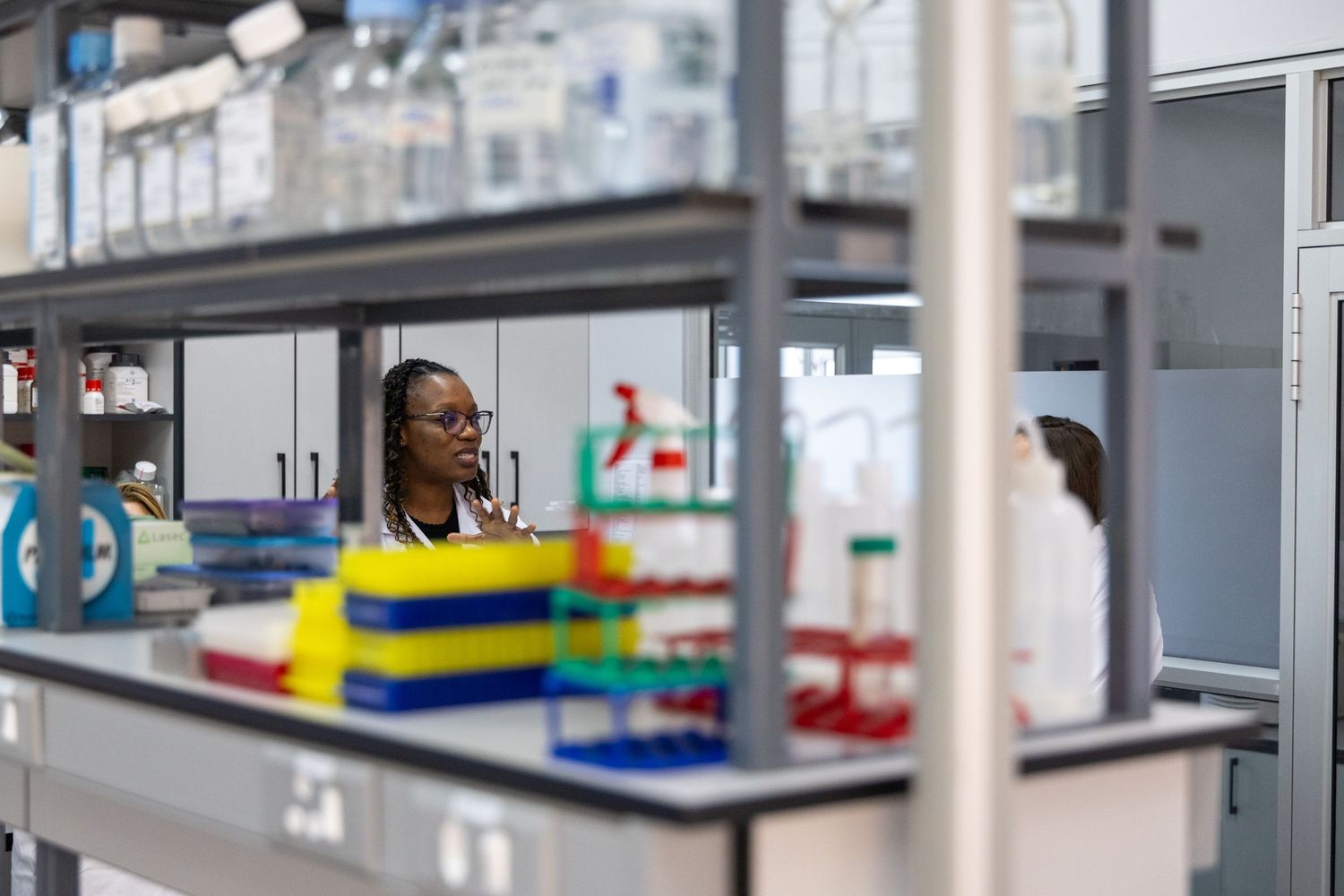
Dr. Dangarembizi in her lab. The CryptoLab at UCT is affiliated with the UK Medical Research Council Centre for Medical Mycology and partners with local hospitals including Red Cross War Memorial Children's Hospital.
The Bigger Picture
The CryptoLab's work sits at the center of a broader conversation about who funds global health research, who benefits from it, and who gets to lead it. Fungal diseases receive only 1.5% of infectious disease research funding — and just 0.3% of total research funding for neglected diseases. The existing treatments are expensive: effective regimens cost between $1,400 and $2,500 per patient in a region where a third of the population survives on less than a dollar a day. Adding flucytosine to the standard regimen has shown real promise in reducing mortality, but access to the drug remains limited.
International frameworks like the GAFFI Cryptococcal Meningitis Dashboard and the End Cryptococcal Meningitis Deaths by 2030 initiative are beginning to draw attention — and some high-income countries have increased awareness of fungal infections through their own transplant and cancer patient populations. But Dr. Dangarembizi's message is unambiguous: the science needed to save lives in the places most affected must be done by researchers embedded in those places, accountable to those communities, and supported with sustained investment.
"We have the knowledge and skills to tackle the greatest challenge that African brain health is faced with, on my own doorstep."
— Dr. Rachael Dangarembizi
In 2024, Dr. Dangarembizi co-organized the AIDS-Related Mycoses Workshop — a triennial international meeting that brings together policymakers, funders, clinicians, and researchers to set priorities for combating AIDS-related fungal diseases. The CryptoLab's findings are already informing WHO guidelines and national health strategies. With continued support, the lab is positioned to expand that influence — translating discoveries made in a Cape Town laboratory into lives saved across the continent.
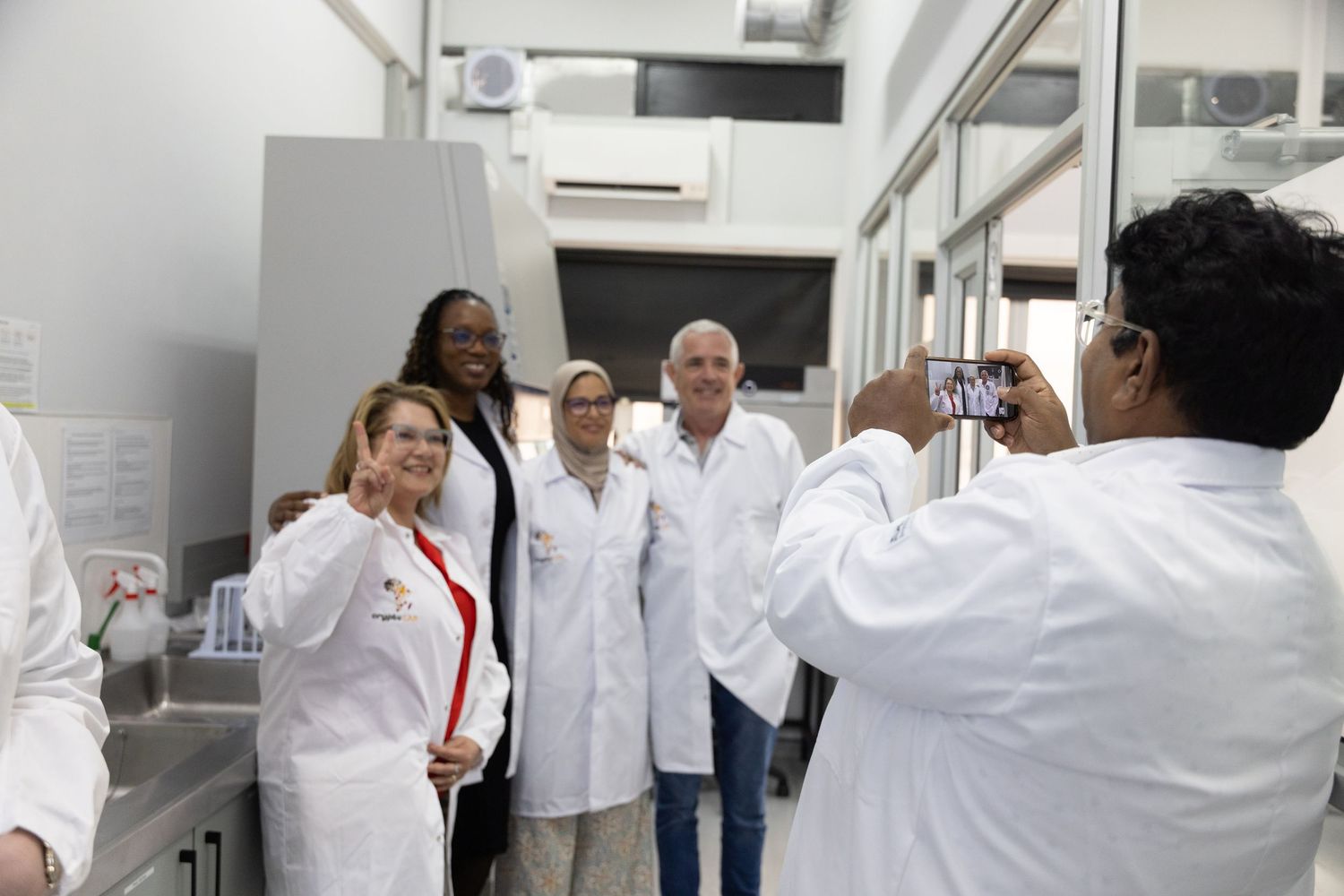
Lab members pose at the grand opening of Cryptolab's new space at the University of Cape Town in April 2025.
